Why Certified Leather Signifies Quality and Sustainability
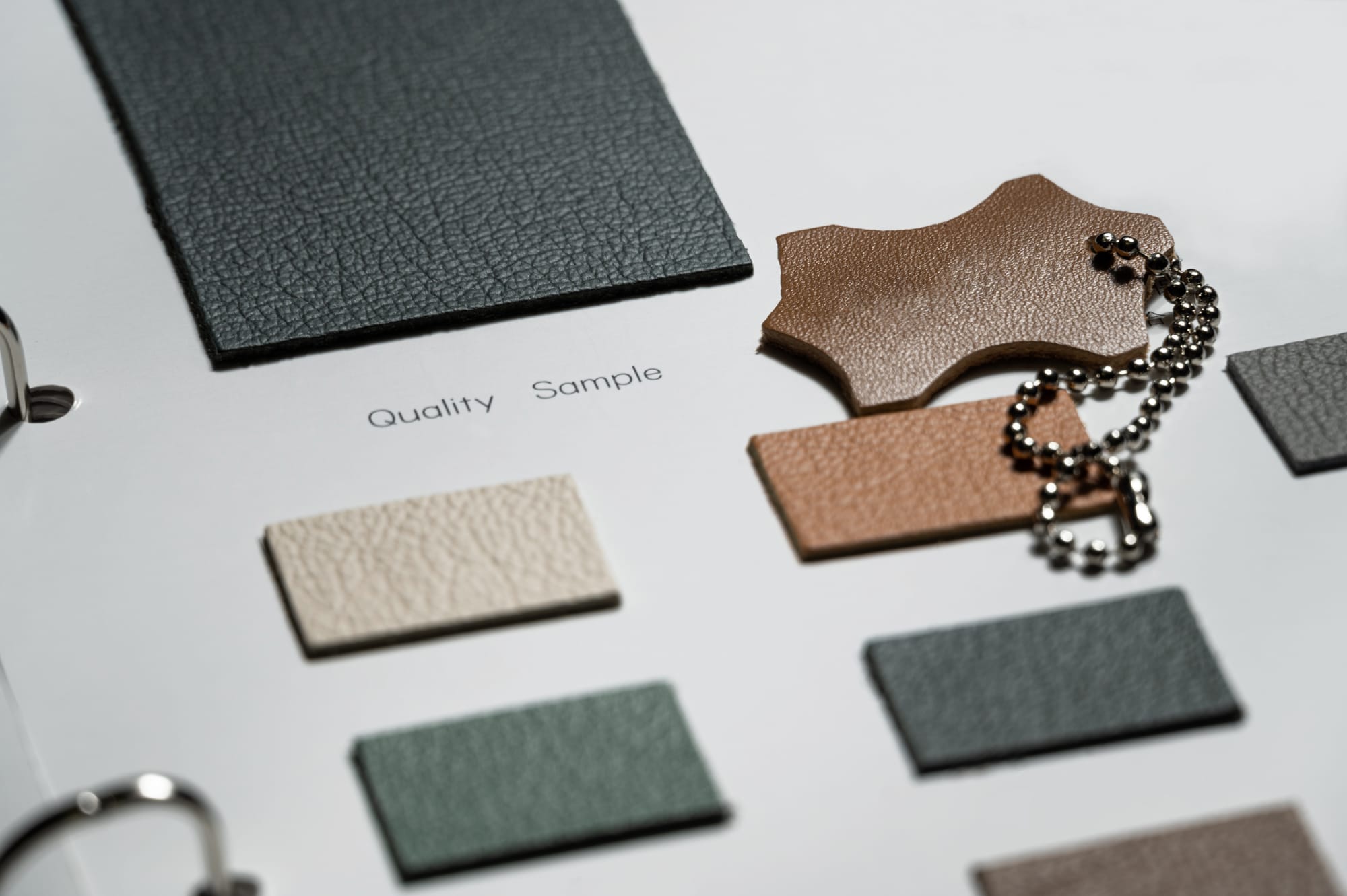
Why Certified Leather is a Sign of Quality and Sustainability, Top Points and Practical Tips from Fausto Olmedi
1) Certification creates traceability, the foundation of trust
Certified leather is not only about a stamp or a label, it is about documented traceability. Traceability means the leather can be followed through the supply chain, from the origin of the raw hide to tanning, finishing, and manufacturing. For customers of Fausto Olmedi who invest in belts, wallets, bags, and shoes made from exotic and high quality certificated leather, traceability is the difference between a vague promise and a verified story. A traceable supply chain reduces the risk of illegal sourcing, hidden intermediaries, and unverified claims about material origin.
When traceability is required by a certification scheme, suppliers must keep records, audits verify those records, and gaps become visible. This matters for quality because the best tanneries and producers tend to operate with consistent input materials and controlled processes. It matters for sustainability because traceability is the first step toward responsible land use, animal welfare alignment, and legal compliance. Without traceability, sustainability statements are often marketing. With traceability, sustainability becomes a measurable set of practices.
For buyers, a practical takeaway is to ask what the certification covers, whether it is limited to tanning operations, broader chemical management, or it includes chain of custody. The more complete the chain of custody, the more meaningful the certification is as a sustainability and authenticity signal.
2) Certified leather signals controlled quality, not just a good look on day one
Luxury leather can look beautiful at first glance, but true quality is revealed over time, through how it handles daily wear, sunlight, moisture changes, flexing, and contact with skin oils. Certification often correlates with disciplined process control, consistent tanning parameters, and standardized testing. These controls influence how the leather ages, how it resists cracking, how evenly it absorbs conditioners, and how stable its color remains.
High quality certificated leather typically reflects careful selection of hides, fewer defects, and more responsible sorting. It also implies a tannery or supplier that works within a system built to meet defined criteria. That system tends to reduce shortcuts that can weaken fiber structure or create inconsistent finishes. In practical terms, this means belts keep their shape longer, wallets remain supple without premature splitting at folds, bags hold structure without sagging too quickly, and shoes maintain comfort as the uppers break in.
For consumers, the tip is to connect certification with performance. Ask whether the leather is tested for color fastness, tear strength, rub resistance, and chrome VI compliance where relevant. Quality is not only craftsmanship, it is also material stability.
3) Certification supports safer chemical management, for people and the environment
Leather tanning and finishing can involve many chemicals, dyes, and process aids. Responsible certification frameworks often require strict chemical management, safe storage, wastewater treatment standards, restricted substance lists, and regular auditing. This matters because chemical mismanagement can lead to worker exposure, polluted waterways, and harmful residues in finished products.
When you choose certified leather goods, you are more likely choosing a supply chain that reduces hazardous substances and manages effluents responsibly. That has direct sustainability implications, especially in regions where enforcement varies. It also matters for the end user, because the product is in close contact with skin, clothing, and personal spaces. Belts, wallets, and bag handles are frequently touched. Shoes are worn for hours. Better chemical control reduces the risk of lingering odors, irritation, or unstable finishes that rub off.
A practical tip is to look for certifications or supplier claims that include restricted substance compliance and wastewater standards, rather than certificates that only address one part of the process. Sustainability is holistic, and chemical management is one of the most important pillars.
4) Certified leather aligns with legal sourcing, especially important for exotic leather
Exotic leather, when legally and responsibly sourced, can be an exceptional material, prized for unique textures, strength, and long service life. However, exotic categories also raise more questions from buyers, including legality, conservation, and documentation. Certification and formal compliance systems help confirm that sourcing follows the law and that documentation exists to support responsible trade where applicable.
For a leather shop like Fausto Olmedi that sells products made from exotic and high quality certificated leather, documentation is key. It reduces the risk of counterfeit materials, mislabeling, and illegal supply chain practices. From a sustainability standpoint, legal compliance is the minimum standard. Certification adds a structured approach to validate that compliance and make it auditable.
A useful buyer tip is to request clarity on the type of leather, its origin, and how legality is documented. Quality and sustainability intersect here. Authentic exotic leather should be clearly identified, responsibly sourced, and accompanied by credible documentation when required by trade rules.
5) Certification often improves durability, and durability is sustainability
One of the most overlooked environmental benefits in fashion and accessories is durability. A belt that lasts ten years is often more sustainable than one that lasts one season, even if both are made from similar raw materials, because replacement cycles drive extra production, transport, packaging, and waste. Certified leather tends to come from operations with tighter process control, which can produce a stronger fiber matrix and more reliable performance.
Durability shows up in the details. A wallet made from stable leather tolerates repeated bending without surface flaking. A bag made from robust leather resists stretching at stress points and holds stitches better. Shoes made from quality leather can be conditioned and resoled, extending their life substantially. Certification itself does not guarantee perfect durability, craftsmanship and design matter too, but certification is an indicator that the leather was produced under standards that reduce defects and instability.
A practical tip is to consider the product you are buying and how it will be used. For daily carry items like wallets and belts, prioritize certified leather with a finish appropriate for abrasion. For bags and shoes, prioritize leather that can be maintained, conditioned, and repaired. Longevity turns a purchase into a long term sustainability choice.
6) Certified leather supports better working conditions through accountability
Sustainability is not only environmental. It also includes social responsibility, such as worker safety, fairer practices, and compliance with labor regulations. Many certification frameworks link environmental management with occupational health and safety expectations, chemical handling training, and monitoring. Even when a certificate focuses on environmental outputs, the systems required to pass auditing often push suppliers toward more structured operations, which can improve working conditions.
Leather production can expose workers to hazards if not managed properly, including chemical contact, dust, and machinery risks. Certified facilities are more likely to implement protective measures and maintain documentation, because audits demand evidence. This is not a guarantee that every certified site is perfect, but it is a meaningful move away from unverified supply chains where the customer has no visibility at all.
A tip for buyers who care about ethics is to favor brands and shops that can explain their sourcing relationships. A responsible seller can speak about partners, manufacturing practices, and what their certifications represent, instead of relying on vague language.
7) Certification reduces greenwashing by replacing claims with standards
Terms like eco friendly, sustainable, natural, and responsible are widely used, but they can be ambiguous. Certification introduces clearer criteria and verification. While not all certifications are equal, a credible scheme includes defined requirements, third party audits, and consequences for non compliance. This makes it harder to make sustainability claims without actual performance.
For customers comparing leather options, certification provides a way to evaluate competing statements. If one product says it is sustainable with no documentation, and another product uses certified leather with transparent criteria, the second option is generally more reliable. This is especially important in premium leather markets where price can create the illusion of responsibility, even when the supply chain is unclear.
A practical tip is to learn to read certificates. Ask who issued it, whether it is third party audited, what year it applies to, and what stage of production it covers. A credible certification should not be a mystery. If the seller cannot explain it, treat it as a warning sign.
8) Certifications often require environmental controls, including water and wastewater management
Water use and wastewater treatment are among the most significant environmental topics in leather production. Tanning can be resource intensive without efficient systems. Certified tanneries are more likely to measure water consumption, optimize processes, and treat effluents to meet specific quality thresholds before discharge. This reduces environmental harm and protects local communities.
When you choose certified leather, you are supporting suppliers who must demonstrate environmental stewardship in measurable ways. This can include onsite wastewater treatment, controlled sludge management, and monitoring of chemical oxygen demand or other indicators. While consumers may not see these details on the finished belt or bag, the impacts are real. Certification encourages investment in cleaner technology and process improvements.
A tip for sustainability minded customers is to value what you cannot see. The most meaningful sustainability improvements often happen upstream. A beautifully crafted wallet is not only a fashion accessory, it is also the final step of a complex production chain. Certification helps ensure that chain is more responsible.
9) Certified leather complements craftsmanship, and together they produce premium results
Leather quality alone does not make a great product. Pattern design, edge finishing, stitching technique, lining selection, and hardware quality all matter. Certified leather is a strong starting point because it provides a reliable material foundation. Craftsmanship then turns that foundation into a product that feels refined, functions well, and lasts.
In a leather shop context, this matters because customers buy with both their eyes and their hands. A belt should feel firm but not brittle. A wallet should be compact but not overly stiff. A bag should have structure that supports daily use. Shoes should be supportive, breathable, and adaptable to the foot. When leather comes from a controlled, certified source, artisans can work with it more predictably, resulting in cleaner edges, smoother folds, and better fitting components.
A practical tip is to evaluate both material and make. Ask what leather is used, how it was tanned, and whether it is certified. Then inspect construction details like stitch density, edge paint or burnish quality, reinforcement at stress points, and hardware plating. Certification is a quality signal, and it becomes most powerful when matched with excellent construction.
10) Certification can help guarantee authenticity and reduce counterfeit risk
In premium leather markets, counterfeit products and misrepresented materials are common. Items may be marketed as full grain when they are not, or as exotic when they are embossed substitutes. Certification and proper documentation help reduce these risks by creating a paper trail and standards that can be audited. For exotic and high value leather, authenticity is both a quality issue and an ethical issue.
Authentic materials tend to perform differently than substitutes. They age differently, resist wear differently, and accept conditioning differently. They also carry different sustainability questions. When material claims are false, the customer cannot make informed choices. Certified leather, supported by verifiable supplier relationships, makes it harder for confusion and deception to enter the supply chain.
A tip for buyers is to pay attention to transparency. A reputable retailer should be able to describe the leather type, the finish, and the certification approach without evasive language. Authenticity is part of sustainability, because it prevents wasteful purchases that disappoint and get replaced quickly.
11) Certified leather encourages responsible by product utilization, reducing waste
Most leather is produced from hides that are by products of the food industry. Using these hides can reduce waste when managed responsibly, because the alternative is disposal or low value use. Certification can strengthen this circular logic by ensuring that processing is done with environmental controls and that the value chain is transparent. The result is a material that can be a smart use of existing resources, not a driver of additional waste.
From a sustainability point of view, the question is not only where the hide came from, but also how it was transformed into leather. A waste reducing narrative collapses if tanning creates unaddressed pollution. Certification helps keep the focus on responsible processing. It pushes the industry toward cleaner chemistry, better water treatment, and improved efficiency.
A practical tip is to think in full life cycle terms. Ask about the leather source, tanning method, and certification. Then consider durability and repairability once the product is yours. A sustainable choice is rarely one single attribute, it is a combination of responsible inputs and long, useful life.
12) Certified leather tends to be more consistent, which improves fit, function, and comfort
Every hide is natural and unique, but production standards influence consistency. Certified operations often use standardized grading, thickness control, and finishing specifications. This consistency improves how products feel and perform. For belts, consistent thickness helps keep the buckle alignment stable and prevents weak spots. For wallets, consistent temper and grain behavior improves folding and reduces corner wear. For bags, consistency supports predictable structure. For shoes, consistency affects how uppers stretch, how they breathe, and how they mold to the foot.
Consistency is also a quality experience. Customers notice when a product feels uniform, well balanced, and predictable in use. Certification can contribute to that outcome by requiring documentation, process controls, and testing. While artisan techniques still matter greatly, they work best when the material quality is dependable.
A tip for shoppers is to evaluate the tactile experience. Feel the leather across different panels. Look for even coloration, smooth finishing without sticky residue, and edges that do not reveal spongy layers. Certified leather often supports that refined consistency, which is a hallmark of premium goods.
13) Certification supports better end of life outcomes through higher value and repair culture
Leather goods made from certified, high quality materials tend to hold value longer. This supports repair, resale, and long term ownership. A bag that retains structure and beauty is worth repairing. Shoes made from quality leather are worth resoling. A belt that remains strong is worth re buckling or resizing. This repair culture is one of the most practical sustainability pathways available to consumers today.
When a product is made from lower quality leather, repairs can be temporary, because the material continues to fail. Certification, by correlating with better processing and durability, helps ensure that repairs actually extend useful life. It also encourages owners to care properly, because the results are visible and rewarding.
A tip is to choose designs that support repair. Look for stitched construction over excessive glue reliance, replaceable hardware where possible, and classic shapes that remain useful for many seasons. Certified leather becomes even more sustainable when the product is designed to be maintained, not discarded.
14) Certified leather usually ages better, and aging well is a luxury and a sustainability benefit
One of the unique pleasures of leather is patina, the way it develops character over time. But not all leather ages gracefully. Poorly processed leather can crack, peel, or develop uneven discoloration. Certified leather, especially when it comes from disciplined tanneries with controlled finishing, is more likely to age in a stable, attractive way. That is quality in the most visible sense, because it rewards long term ownership.
Aging well reduces the desire to replace. If a wallet becomes more beautiful the more you use it, it becomes part of your daily routine, not a disposable item. If a belt develops a richer tone instead of flaking, it will remain in rotation. If a bag softens without losing integrity, it becomes more comfortable and personal. These are sustainability outcomes driven by emotional durability, the product becomes meaningful, so it stays in use.
A tip is to learn basic leather care. Use appropriate conditioner sparingly, keep items away from prolonged direct heat, allow wet leather to dry naturally, and store bags with light support to preserve shape. Certified leather gives you a strong starting point, but care practices amplify its benefits.
15) Certification helps differentiate real sustainability from trendy alternatives
Many materials compete with leather by making sustainability claims. Some alternatives can be valid in certain contexts, but marketing can be confusing. Certified leather stands out because it is tied to established industrial standards and measurable controls. It does not rely solely on buzzwords. This is important for customers who are trying to make responsible choices without spending hours researching every claim.
Certified leather also fits a pragmatic sustainability philosophy. A well made leather product can last many years, can be repaired, and can remain aesthetically relevant. When the supply chain is verified and environmental controls are in place, leather can be a sensible choice for long lasting accessories. The key is to avoid low quality leather goods that fail quickly, and to prioritize certified, high quality materials paired with good construction.
A tip is to compare life cycle outcomes rather than slogans. Ask, how long will this product realistically last, can it be repaired, and is the supply chain verified. Certification is one of the strongest signals that the answer is grounded in evidence.
16) Certification increases accountability, which drives continuous improvement
One of the best features of certification is that it can evolve. Standards are updated, auditing processes mature, and suppliers must maintain compliance over time. This creates a culture of continuous improvement. A tannery or manufacturer that invests in certification is often investing in systems, monitoring, training, and management practices that do not stop after one successful inspection.
Continuous improvement is essential for sustainability because challenges change. Regulatory expectations shift, science improves, and new cleaner technologies become available. Certification can push suppliers to keep upgrading wastewater treatment, reduce emissions, improve energy efficiency, and refine chemical inventories. It also creates internal accountability. When compliance is documented, management can measure progress, set targets, and identify where improvements are needed.
A buyer tip is to look for recency and renewal. A certificate that is current suggests ongoing commitment. If documentation is outdated, ask what has been done since. The most responsible supply chains are not static, they are actively maintained.
17) Certified leather can support better indoor air quality and user experience
Leather goods spend time in your home, your wardrobe, your car, and your workspace. Finishes, glues, and poor chemical management can create lingering odors or off gassing that affects comfort. Certification schemes that emphasize chemical restrictions and controlled finishing can reduce these issues. The result is often a cleaner smelling product that feels more pleasant to use daily.
This is a quality signal that many customers recognize immediately. A belt or wallet that smells sharply chemical can indicate rushed finishing, insufficient airing, or uncontrolled substances. A well made product from certified leather more often carries a natural, refined leather scent, though even premium leather can have a noticeable aroma. The difference is typically harshness and persistence.
A practical tip is to allow new leather goods to breathe when you receive them, and store them properly. If a product has an overpowering chemical odor that does not diminish after airing, it is reasonable to ask the seller about materials, finishes, and certification details.
18) Certification supports responsible color and finishing choices
Color and finish define a product style, but they also influence sustainability and long term quality. Some finishes are more prone to rub off, crack, or show wear quickly. Certified production contexts often require better control of pigments, dyes, and finishing agents. That can lead to better color fastness and reduced transfer onto clothing.
For dark belts and wallets, rub resistance is particularly important. For bags, the way the finish handles friction around corners and edges matters. For shoes, the ability to polish, condition, and restore color can keep them looking refined for years. Certification does not replace thoughtful finishing choices, but it often indicates that finishing operations are professionally managed and tested.
A tip is to choose finishes that match your usage. If you want a natural patina, look for leathers designed to develop character. If you want a more uniform look, a more protected finish may be better. Certified leather gives confidence that whichever finish you choose, it is more likely to be produced under controlled standards.
19) Certification can protect biodiversity when paired with legal and verified sourcing
Sustainability includes protecting ecosystems and biodiversity. Certified leather can contribute positively when it supports legal sourcing, responsible land management, and reduced pollution. For exotic leather in particular, biodiversity concerns are often at the center of customer questions. The right documentation and compliance help ensure that trade is lawful and that protective measures are respected where applicable.
While no single certification solves all biodiversity concerns, certification introduces oversight. It encourages a standard approach to documentation, improved transparency, and accountability across the chain. It also helps brands and retailers avoid sourcing from opaque channels that can be associated with habitat harm or illegal trade.
A practical tip is to favor sellers who are transparent about their sourcing philosophy. Ask what certified leather means in their context, which parts of the supply chain are verified, and how they assess suppliers. Sustainability is not just about having a label, it is about using that label within a broader responsible sourcing commitment.
20) How to use certification as a smart shopping checklist
Certification is most powerful when customers know how to use it. Instead of treating it as a vague premium signal, use it as a checklist tool. Ask what the certification covers, how recent it is, whether it is third party audited, and whether it includes chemical management and wastewater requirements. Ask whether there is chain of custody or traceability documentation, especially for exotic leather.
Then connect certification to product level details. For belts, examine thickness, edge finishing, hole reinforcement, and buckle quality. For wallets, check fold areas, stitching, and lining. For bags, inspect stress points, strap attachments, zippers, and base reinforcement. For shoes, check stitching, sole attachment method, lining comfort, and whether the construction supports repair. Certified leather supports quality, but it still deserves a well built design.
Finally, plan for maintenance. Sustainability is not only what you buy, it is how you use it. Condition leather periodically, store properly, avoid unnecessary exposure to heavy rain, and seek repair rather than replacement. Certified leather makes these efforts worthwhile because the material responds well to care and can remain beautiful for years.
Fausto Olmedi takeaway, certified leather is quality you can feel and sustainability you can verify
Choosing products made from exotic and high quality certificated leather is a practical way to align luxury with responsibility. Certification supports traceability, stronger chemical oversight, better environmental controls, and often more consistent and durable material performance. When combined with skilled craftsmanship, certified leather becomes a long term companion item, belts, wallets, bags, and shoes that improve with use instead of failing quickly.
In a world full of claims, certified leather stands out because it is connected to systems, audits, and measurable expectations. It is not perfect by itself, but it is a meaningful step toward transparency and better practices. For customers who want premium feel, authentic materials, and a more responsible footprint, certification is one of the clearest signals available.